
Have you ever left your home and suddenly wondered if everything was safe? Maybe you questioned whether the doors were locked or worried about unexpected visitors while you were away. These concerns are common for homeowners and renters alike.
In today’s world, protecting your family and belongings has become more important than ever. From burglaries to package theft and emergency situations, security risks can happen when you least expect them.
This is where Home Security Systems come in. Modern security solutions offer peace of mind, real-time monitoring, and advanced protection that help keep your property secure. Understanding how these systems work can help you make smarter decisions about safeguarding your home.
A home security systems is a combination of devices designed to monitor and protect a property from unauthorized access, theft, and other potential dangers.
Most systems include:
When suspicious activity is detected, the system can trigger an alarm, send notifications to your smartphone, or even alert a monitoring center.
Modern security systems are far more advanced than traditional alarms. Many can be controlled remotely, allowing homeowners to check cameras, lock doors, and receive instant alerts from anywhere in the world.
Home security systems is not just about preventing theft. It is about protecting the people and things that matter most.
Imagine being on vacation and receiving a notification that someone is attempting to enter your home. Instead of finding out after the damage is done, you can respond immediately.
Families with children often appreciate the extra security that comes with monitoring entrances and outdoor areas. Elderly family members can also benefit from systems that include emergency alerts and safety monitoring.
Another growing concern is package theft. With online shopping becoming more common, porch pirates target unattended deliveries. Security cameras and smart doorbells help homeowners monitor packages and deter criminals.
The emotional benefit is equally important. Knowing your home is protected provides confidence and reduces stress whether you are at work, traveling, or simply asleep at night.
Choosing the right security setup doesn’t have to be complicated. Follow these practical steps:
Start by identifying vulnerable areas of your property. Front doors, back entrances, garages, and ground-floor windows are common entry points.
Place cameras where they can clearly capture activity around entrances, driveways, and outdoor spaces.
Traditional locks can be forgotten or duplicated. Smart locks provide greater control and allow remote access management.
Real-time notifications help you respond quickly to suspicious activity.
Well-lit properties are less attractive to intruders. Motion-activated lights can increase visibility and discourage unwanted visitors.
Even the best equipment needs maintenance. Check batteries, sensors, and camera functionality regularly.
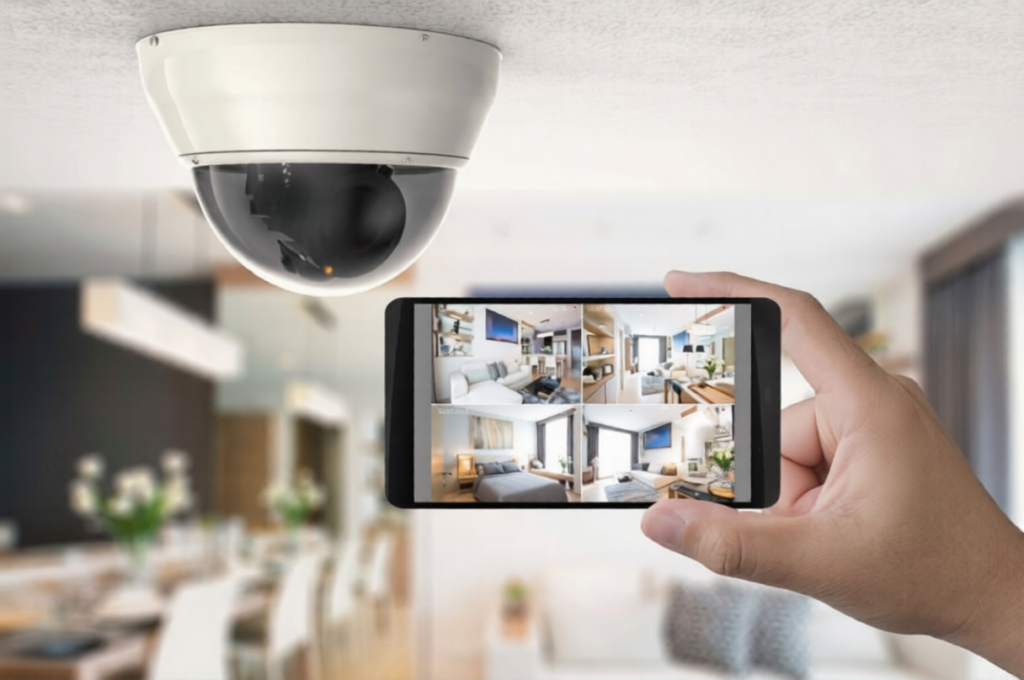
Today’s homeowners have several options when selecting security solutions.
These systems connect to professional monitoring centers that can respond to emergencies 24/7.
Users receive alerts directly on their phones and manage responses themselves.
Many modern systems work with voice assistants and smart devices, allowing centralized control of home security systems.
These devices provide live video feeds and two-way communication with visitors, even when you’re away.
Wireless installations are popular because they are easier to install and expand without extensive wiring.
Many systems store footage securely online, making it accessible whenever needed.
Many homeowners invest in security equipment but fail to use it effectively.
Some people focus only on the front door while neglecting windows, garages, and side entrances.
Installing cameras too high or at incorrect angles can reduce their effectiveness.
Smart security devices should always have strong, unique passwords to prevent unauthorized access.
Manufacturers release updates to improve security and performance. Ignoring these updates can create vulnerabilities.
A single camera or alarm rarely provides complete protection. A layered approach works best.
Want to maximize your home’s protection? Consider these expert recommendations:
Many experts also recommend conducting a yearly security audit to ensure your system still meets your family’s changing needs.
Keeping your home safe requires more than simply locking the door. By understanding potential risks, choosing the right equipment, and following proven security practices, you can significantly improve your property’s protection. Investing in Home Security Systems provides peace of mind, enhances safety, and helps protect the people and possessions you value most.
Electrical systems degrade over time. Insulation weakens, connections loosen, and outdated components may no longer meet modern safety standards.